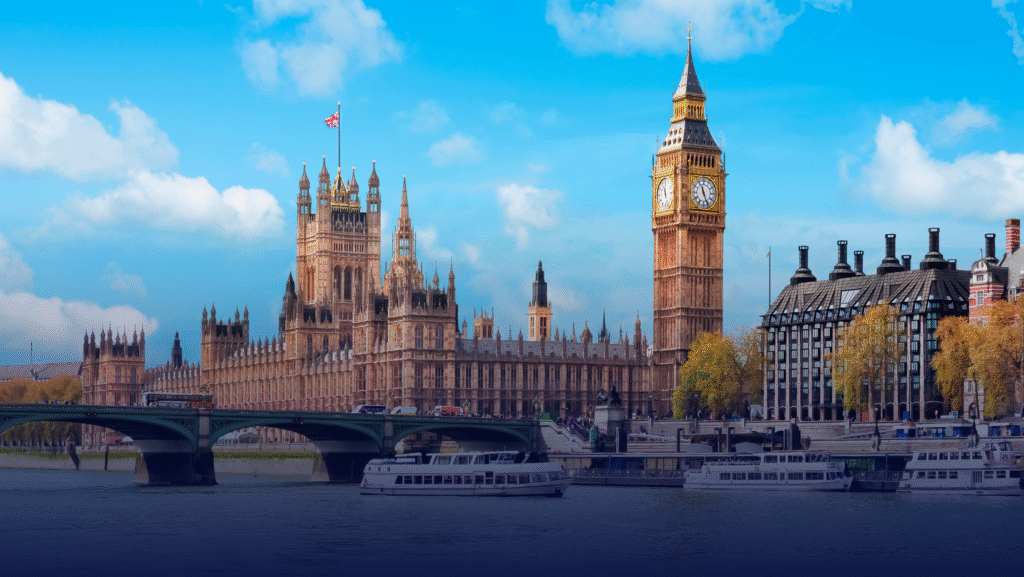


The global conversation about travel and immigration has been dominated by US visa changes 2025. For applicants, employers, and students, understanding the facts — not the rumors — is critical to avoid costly mistakes and delays.
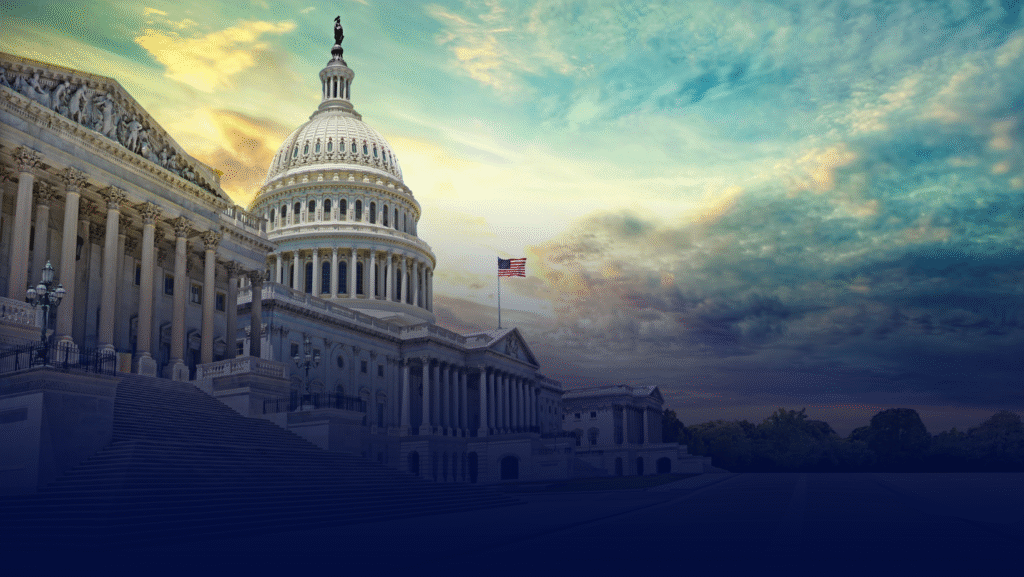
What changed and why it matters — US visa changes 2025
The U.S. government has introduced several important updates aimed at making visa applications more secure and improving border safety. These US visa changes 2025 include a new integrity fee, updates on where applicants can schedule their interviews, stricter online checks, and higher fees for certain work visas. Each change can affect the overall cost, the time it takes to process an application, and the documents you need to provide. For example, some applicants may now have to submit additional paperwork or attend interviews in specific locations, while others could face higher charges depending on the visa type. Because of these adjustments, it is very important for anyone planning to travel to the U.S. to carefully review official government announcements and guidelines. Staying informed about these US visa changes 2025 can help applicants avoid delays, extra costs, or complications during the application process.
New fees and employer costs — US visa changes 2025
One of the most visible aspects of the reform is a visa integrity surcharge intended to fund identity-verification and processing upgrades. Employers sponsoring workers should note a separate levy that applies to some new work petitions; companies and candidates must decide who covers those costs before filing. These new charges can materially alter relocation budgets and hiring timetables
Interview rules and where to apply
Another key update in the US visa policy restricts the previous flexibility for scheduling interviews abroad. Applicants are now required to book appointments in their country of nationality or legal residence, ending many previously available third-country interview options. This adjustment affects those who previously sought faster appointments in other countries and may result in increased wait times at local embassies. It’s important for all applicants to review their specific embassy’s guidance to ensure compliance with these updated rules.
Social media, vetting and practical cleanup
Consular officers are now reviewing online profiles more carefully than in past years as part of the new US visa changes 2025. During this process, your social media accounts and other digital footprints are checked to confirm your identity and background. It is important to prepare in advance by keeping your profiles professional and consistent with the information in your visa application. Sudden removal of posts or cleaning up history just before applying can raise red flags and look suspicious. Being transparent and maintaining a steady online presence helps reduce potential issues. These US visa changes 2025 show that digital vetting is becoming a standard part of the application process. Applicants who plan ahead and ensure their social media aligns with their official documents are more likely to have a smooth, trouble-free experience.
Who is most affected
Students, skilled professionals, and frequent travelers are the groups feeling the effects of the US visa changes 2025 the most. Students applying for visas should be ready for stricter interview procedures and may need to provide extra documents at certain consulates. Professionals and employers hiring international talent will face higher one-time fees for new visa petitions and should plan their recruitment strategies accordingly. Small businesses, in particular, might find these additional costs difficult to manage and could consider local hiring or contracting instead. Being aware of these adjustments in advance can help applicants and employers avoid unexpected delays or expenses. Understanding the rules and planning ahead is crucial. These US visa changes 2025 are designed to strengthen application integrity and border security, so staying informed and compliant will ensure smoother processing for students, workers, and frequent visitors alike.
Practical steps to prepare — US visa changes 2025
- Confirm which embassy or consulate you must use and whether third-country processing is allowed. For detailed visa guidance, visit our website to see updated requirements and tips for applicants.
- Budget ahead for added fees and possible travel or accommodation costs for interviews.
- Clean public social-media profiles and ensure all details match your DS-160 and supporting documents.
- Employers should state clearly who pays visa-related charges and maintain records of payments and filings.
- If you have medical conditions, carry clear medical records and proof of insurance where relevant.
Document checklist and interview tips
Bring a complete packet: passport with sufficient validity, appointment confirmation, photos, transcripts or employment letters, proof of finances, and where applicable, a sponsorship letter. Practice concise, honest answers about your purpose, timing, and ties to your home country — clear communication reduces discretionary risk.
Timeline and what to expect next
Some elements take effect on published dates; others need implementation systems and further guidance. Expect embassies to publish procedural clarifications and timing updates. If new guidance is issued, follow the official embassy or Department of State notices for the final word.
Employer options and alternatives
If your company cannot absorb higher charges, consider alternatives: internal relocations, remote work arrangements, or different visa categories. Employers sometimes offset costs with signing bonuses or relocation packages; establish written agreements about responsibilities to avoid disputes later.
Myths, legal recourse and community resources
Not every rumor about visa applications is true. Broad statements — like claims that certain medical conditions automatically cause denials or that genetic testing is standard — are not part of official rules. If you encounter unexpected or seemingly arbitrary decisions during your application, it is wise to consult legal experts. Some trade associations and companies have begun challenging certain fee rules in court, so enforcement may evolve over time. Staying informed about the US visa changes 2025 can help applicants understand what is official and what is speculation. Being aware of these US visa changes 2025 ensures better preparation and fewer surprises during the process.
Quick FAQ
Q: Will these rules apply retroactively?
A: Typically new fees affect petitions filed after the effective date; renewals often follow separate rules. Check the effective dates in official regulations.
Q: Should I delete social posts?
A: No — instead, make profiles professional and accurate. Sudden deletions can raise further questions.
Q: Who enforces the changes?
A: Embassies and consular posts follow Department of State and DHS guidance; their local procedures implement the national rules.
Final bottom line
The new rules represent a significant shift in cost, process, and oversight. Treat the process as a project: map out dates, budget for fees and travel, gather documentation in order, and consult official sources or accredited attorneys for complex cases. With preparation, you can manage the changes and reduce surprises.